


Precipitated Silica for Sugar Industry as defoaming agent
As a professional salesperson of silicon dioxide, I would like to introduce our product, the precipitated silicon dioxide, for its application in sugar industry as a defoaming agent.
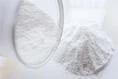
Silicon dioxide, or silica, is a naturally occurring mineral that can be produced in various forms, including precipitated, fumed, and colloidal. Precipitated silica is a white powder with high purity and uniform particle size, making it an ideal choice for various industrial applications.
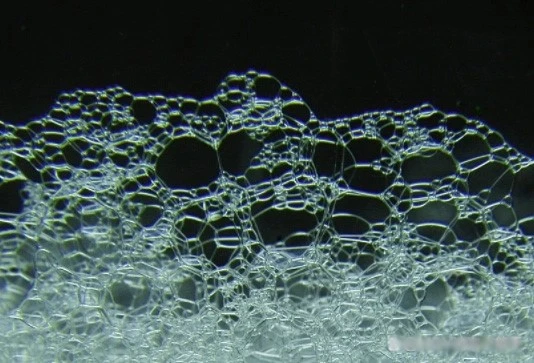
In the sugar industry, silicon dioxide is widely used as a defoaming agent in the production of sugarcane juice and syrup. When sugarcane juice is boiled, foam can be generated due to the presence of dissolved gases and impurities. Such foam can create operational issues and reduce the efficiency of sugar production. By adding a small amount of precipitated silica to sugarcane juice or syrup, the foam can be destabilized, collapsed, and separated from the liquid phase. The precipitated silica particles act as a surface tension reducer, gas adsorbent, and foam breaker, hence facilitating the foam elimination.
One of the advantages of using precipitated silica in sugar industry is its high efficiency. A small dosage of precipitated silica can achieve a significant defoaming effect, resulting in a clear and smooth liquid phase. Additionally, precipitated silica is easy to handle, store, transport, and dose. It is also chemically inert and safe for human consumption, as it complies with regulatory requirements and international standards.
In summary, precipitated silicon dioxide is an effective and reliable defoaming agent for sugar industry, as it can eliminate foam and improve the production efficiency. With its excellent performance, safety, and economy, precipitated silica can be a competitive choice for sugar manufacturers seeking for quality improvement and cost reduction.