


Precipitated Silica as a Thickening Agent in the Food Industry
Thickening agents play a critical role in modern food manufacturing, where producers must deliver stable textures, consistent viscosity, and reliable processing performance across a wide range of formulations. As consumer expectations shift toward clean-label, high-quality foods with optimized mouthfeel and stable shelf life, ingredient developers are exploring multifunctional materials that deliver performance without compromising safety. Among these functional additives, precipitated silica has gained significant attention as a versatile and effective silica thickener in many food systems.
Produced through the controlled reaction of sodium silicate and mineral acids, precipitated silica offers a unique combination of high surface area, porosity, and inertness-making it an ideal food grade silica for applications where precision rheology control and physical stability are essential.
What Is Precipitated Silica?

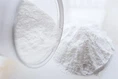
Precipitated silica is an amorphous, white, powder-like form of silica created through a wet chemical precipitation process. Unlike crystalline silica, which is not suitable for food applications, amorphous silica is recognized as safe and widely used across both food and pharmaceutical industries.
The production process allows manufacturers to control particle size, pore volume, and specific surface area, resulting in grades optimized for thickening, anti-caking, or moisture regulation. When manufactured as food grade silica, it meets stringent purity and safety requirements, such as FDA's GRAS status (E551 in the EU) and corresponding national food safety standards.
This highly engineered structure gives precipitated silica unique properties that enhance viscosity, prevent clumping, and improve the physical flow and texture of food products.
Why Precipitated Silica Works as an Effective Silica Thickener
The thickening mechanism of precipitated silica is rooted in its micro-scale physical structure. Each particle is composed of an intricate network of pores and channels, delivering exceptionally high surface area. When dispersed in water or semi-liquid systems, silica interacts with water molecules and other food ingredients to create a network that increases viscosity.
Key attributes that make precipitated silica a high-performance silica thickener include:
- High surface area and porosity: These features allow silica to hold and bind water, controlling flow behaviors and increasing viscosity even at low dosage levels.
- Particle interactions and network formation: The hydroxyl groups on the silica surface form hydrogen bonds with water and polar ingredients, creating a stable three-dimensional structure that thickens the mixture.
- Rheology modification across systems: Precipitated silica works well in aqueous solutions, oil-in-water emulsions, powdered or granulated products, and semi-solids such as dressings or sauces-offering predictable performance across a wide temperature and pH range.
- Compatibility with other ingredients: Food developers often use silica in combination with gums, starches, and emulsifiers to achieve more precise texture control.
Functional Benefits of Food Grade Silica in Food Formulations
Because of its structural versatility, food grade silica delivers multiple functional benefits beyond thickening:
Viscosity control
Silica helps producers fine-tune the flow properties of sauces, dressings, gravies, and beverage concentrates. It prevents undesirable phase separation and maintains consistent texture from production to consumption.
Anti-caking performance
Its moisture adsorption capability makes silica one of the most widely used anti-caking agents in powdered food products. It prevents lumping and ensures free-flowing characteristics during storage and processing.
Texture improvement and mouthfeel
Silica can enhance creaminess or improve perceived body in low-fat applications-helping formulators reduce fat or sugar without compromising sensory performance.
Moisture regulation
Because of its porous structure, food grade silica helps regulate moisture levels in dry mixes and dehydrated foods, extending shelf life and reducing spoilage.
Common Food Applications of Precipitated Silica
Precipitated silica is used across a broad range of food categories, including:
- Powdered beverage mixes and instant drinks
- Spices, seasonings, and flavoring powders
- Coffee creamers and dry dairy alternatives
- Powdered soups and instant noodles