


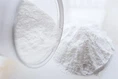

Hydrated silica has become one of the most versatile and trusted functional ingredients in today's cosmetics and skincare industry. As consumer expectations shift toward cleaner formulations, enhanced sensory performance, and scientifically validated ingredients, hydrated silica stands out for its unique combination of safety, stability, and multifunctionality. From gentle exfoliation to oil control and optical soft-focus effects, it plays an essential role across skincare, makeup, and oral-care applications.
This article provides a comprehensive overview of the key benefits of hydrated silica cosmetics, explains why it has become indispensable for formulators worldwide, and highlights the technical specifications manufacturers should consider. It also illustrates how JK SILICA, a leading global supplier, supports international brands with stable and high-performance cosmetic-grade silica solutions.
1. What Is Hydrated Silica?
Hydrated silica is a synthetic, amorphous form of silicon dioxide (SiO₂) produced through controlled neutralization, precipitation, and hydration processes. Unlike crystalline silica, hydrated silica is structurally stable, non-toxic, and non-irritating-widely recognized as a safe material in international cosmetic regulations.
Its typical physical and chemical characteristics include:
Controlled particle size (2–20 μm) – determines smoothness and skin feel
High surface area (120–300 m²/g) – enhances oil absorption and impurity adsorption
Porous structure – provides excellent carrier capacity and light-diffusion properties
Chemical inertness – compatible with emulsions, oils, and complex formulations
These properties make hydrated silica an outstanding silica for skincare, suitable for cleansers, scrubs, color cosmetics, sunscreens, and oral-care products.
2. Why Hydrated Silica Is Widely Used in Cosmetics
2.1 High Safety and Stability
Insoluble in water and does not enter systemic circulation
Non-irritating and free from microplastic concerns
Approved by major global regulations including EU REACH, FDA, IECIC, and more
2.2 Multifunctional Performance
A single ingredient can deliver multiple benefits-oil absorption, thickening, soft-focus blurring, exfoliation, and carrier properties-giving formulators greater flexibility and consistency.
2.3 Clean Beauty and Sustainability Aligned
Derived from natural minerals and environmentally safe, hydrated silica fits perfectly into clean-beauty standards.
Cosmetic-grade hydrated silica from JK SILICA is manufactured according to ISO, environmental, and EU cosmetic safety standards, providing exceptionally stable quality for global brands and OEM manufacturers.
3. Key Benefits of Hydrated Silica in Cosmetics & Skincare
Hydrated silica provides six major functional advantages that make it a core ingredient in modern formulations.
3.1 Gentle Exfoliation
Hydrated silica particles are uniform, spherical, and smooth, making them excellent physical exfoliants that are far gentler than natural shell powders.
Key advantages:
Does not damage the stratum corneum
Gentler than walnut shell, apricot seed, and other natural abrasives
Suitable for sensitive skin
Disperses easily and rinses off cleanly
Common in facial cleansers and scrubs, it helps remove dead cells for brighter, clearer skin.
3.2 Oil Absorption & Sebum Control
Its porous structure and high surface area allow hydrated silica to absorb excess sebum efficiently-often outperforming natural powders.
Applications include:
Oil-control cleansers
Lightweight lotions and gels
Loose powder and pressed powder
Oil-control setting powder (matte finish)
Even after absorbing sebum, the powder maintains good dispersion, making it essential for long-wear makeup.
3.3 Texture Improvement & Soft-Focus Blurring
Hydrated silica enhances sensory and optical qualities in both skincare and makeup:
Provides a smooth, silky touch
Masks pores and fine lines via soft-focus diffusion
Reduces greasiness in emulsions
Creates a velvety finish in foundations and setting powders
This is one of the main reasons high-end foundations use silica for skincare to improve texture and spreadability.
3.4 Thickening & Rheology Control
As a structural thickener, hydrated silica improves the stability and viscosity of creams, gels, and oral-care formulations.
Key functions:
Prevents phase separation
Improves application uniformity
Increases body and structure
Enhances foam and brushing feel in toothpaste
In toothpaste, hydrated silica serves both as a mild abrasive and a rheology stabilizer.
3.5 Brightening & Optical Light-Diffusion
Hydrated silica does not chemically whiten the skin, but its optical scattering properties help:
Brighten skin tone visually
Reduce dullness
Soften lines and blur uneven textures
This makes it valuable in BB creams, foundations, tone-up creams, and premium skincare.
3.6 Polishing & Cleaning in Oral Care
Hydrated silica is one of the most widely used polishing agents in toothpaste.
Advantages include:
Removes stains, plaque, and surface discoloration
Safe for enamel and suitable for sensitive teeth
Compatible with fluoride
Can be engineered to different RDA (abrasivity) levels
JK SILICA offers oral-care grades with precisely controlled abrasivity for mild, moderate, or whitening formulations.
4. Typical Applications of Hydrated Silica
4.1 Skincare
Exfoliating cleansers
Oil-control gels and lotions
Lightweight creams
Sunscreens (improved spreadability)
4.2 Makeup
Loose powder and setting powder
Foundation
Eyeshadow and blush (better dispersion)
Matte-finish color cosmetics
4.3 Oral Care
Toothpaste (abrasive + thickener)
Whitening toothpaste
Sensitive-tooth formulations
5. Hydrated Silica vs. Other Exfoliants / Fillers
Material Type Characteristics Comparison to Hydrated Silica
Walnut shell powder Natural but irregular and abrasive Higher irritation, risk of micro-tears
AHA / BHA Chemical exfoliants May irritate sensitive skin
Plastic microbeads (banned) Good tactile feel Environmental pollution; hydrated silica is safe & biodegradable
Alumina / Talc Traditional fillers Regulatory concerns in some markets
Hydrated silica outperforms most exfoliants and fillers in safety, versatility, and clean-beauty compatibility.
6. How Manufacturers Select the Right Hydrated Silica Grade
To choose the ideal hydrated silica grade, formulators should evaluate:
Particle size – determines skin feel, abrasiveness, and blurring
BET surface area – higher BET = stronger oil absorption
Porosity – affects sebum control and adsorption
Oil absorption value – crucial for foundations and loose powders
Purity and stability – ensures no impact on color, pH, or sensory performance
As a specialized supplier of precipitated and hydrated silica, JK SILICA offers multiple grades designed for different cosmetic needs-from lightweight foundations to high-coverage setting powders.
👉
Contact JK SILICA today to receive technical support or customized recommendations for your coating formulations.