


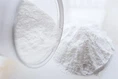
Precipitated silica is a versatile industrial material widely used across various industries, including rubber and tire production, as well as in toothpaste, paints, and food products. As one of the most reliable silica manufacturers, our company specializes in producing high-quality precipitated silica that meets the specific needs of different industrial applications. Understanding the properties and production processes of precipitated silica is crucial for buyers seeking the ideal material to enhance performance, durability, and efficiency in their products.
What is Precipitated Silica?
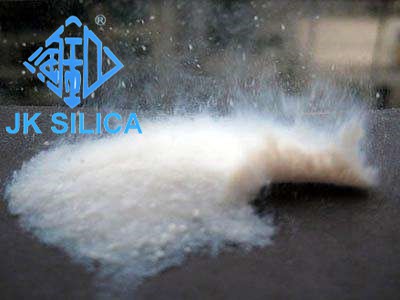
Precipitated silica is an amorphous form of silicon dioxide produced through a controlled chemical reaction. Unlike naturally occurring silica, which is mined from quartz or sand, precipitated silica is synthesized from raw materials such as sodium silicate and sulfuric acid. This controlled manufacturing process allows silica manufacturers to produce consistent quality with specific properties tailored for different industrial applications.
Precipitated silica typically appears as a white, fine, and fluffy powder. Its uniform particle size, high purity, and consistent performance make it an ideal additive in various industrial formulations.
Key Properties of Precipitated Silica
The unique properties of precipitated silica make it highly valuable for multiple applications. Some of the key properties include:
- High surface area: Enhances reinforcement in rubber and tires.
- Oil absorption: Helps improve texture and stability in products.
- Moisture absorption: Prevents caking in powders and food additives.
- Chemical stability: Maintains performance under extreme conditions.
- Filler performance: Improves mechanical strength in plastics, adhesives, and coatings.
| Property | Description |
|---|---|
| Surface Area | 150–250 m²/g |
| Oil Absorption | 150–200 g/100g |
| Moisture Content | ≤1.5% |
| pH | 4–6 |
Production Process of Precipitated Silica
The production of precipitated silica involves several carefully controlled steps to ensure consistent quality. A reliable silica manufacturer follows these processes:
- Raw Material Preparation: Sodium silicate solution is prepared.
- Reaction and Precipitation: Sulfuric acid is added to react with sodium silicate, forming silica particles.
- Aging: The mixture is allowed to mature to achieve the desired particle properties.
- Filtration and Washing: Removes residual chemicals and impurities.
- Drying: Silica is dried to obtain fine powder.
- Milling and Classification: Ensures uniform particle size for different industrial requirements.
A flow diagram can be included here for visual clarity, showing the complete production process from raw material to finished precipitated silica.
Applications of Precipitated Silica
Precipitated silica is widely used across industries due to its versatile properties:
- Rubber and Tires: Enhances durability, reduces rolling resistance, and improves grip.
- Toothpaste and Oral Care: Acts as a gentle abrasive and thickening agent.
- Paints and Coatings: Prevents settling, improves gloss and durability.
- Food and Feed Industry: Serves as an anti-caking agent in powders and feed additives.
- Plastics and Polymers: Enhances strength, rigidity, and processability.
- Agriculture and Electronics: Used in fertilizers, pesticides, and energy storage materials.

How to Choose a Reliable Silica Manufacturer
Selecting the right silica manufacturer is critical for ensuring consistent quality and performance. Buyers should consider:
- Quality Standards: Look for ISO, REACH, or other relevant certifications.
- Production Capacity: A manufacturer with stable production capabilities can ensure timely supply.
- Experience and Expertise: Experienced manufacturers understand specific industrial requirements.
- Export Experience: Companies familiar with international shipping provide smoother logistics.
- Customer Support: Technical guidance and after-sales support are crucial for industrial buyers.
Future Outlook of Precipitated Silica
The global demand for precipitated silica is expected to grow steadily due to the increasing applications in tires, cosmetics, coatings, and sustainable manufacturing. Environmentally friendly production processes and innovations in performance-grade silica are key trends shaping the future. Emerging applications in electric vehicle batteries, electronics, and advanced polymers provide new opportunities for both silica manufacturers and industrial buyers.
In summary, precipitated silica is a highly versatile and essential material in modern industries. Its unique properties, combined with a controlled production process, make it indispensable in applications ranging from rubber and tires to toothpaste, coatings, and food additives. Choosing a qualified silica manufacturer ensures reliable quality, consistent supply, and technical support. Buyers looking for high-quality precipitated silica should focus on verified manufacturers with proven experience and certifications.
Frequently Asked Questions (FAQ)
Q1: What is precipitated silica used for?
A1: It is used in rubber, tires, toothpaste, paints, coatings, plastics, and food/feed additives due to its high surface area and moisture absorption.
Q2: Is precipitated silica safe in toothpaste and food?
A2: Yes, food and cosmetic-grade precipitated silica is non-toxic and approved for use in oral care and food products.
Q3: How is precipitated silica manufactured?
A3: It is produced by reacting sodium silicate with sulfuric acid under controlled conditions, followed by filtration, drying, and classification.
Q4: What is the difference between precipitated silica and fumed silica?
A4: Precipitated silica is chemically synthesized from solution and has larger particle sizes, while fumed silica is produced via high-temperature flame processes and is finer with higher surface area.
Q5: How to find a reliable silica manufacturer for bulk orders?
A5: Look for ISO/REACH certified companies with stable production capacity, experience in your target industry, and strong international logistics capabilities.