


Hydrated Silica in Oral Care: Key Applications and Benefits of Silica for Toothpaste
Hydrated Silica Applications in the Oral Care Industry

1. Introduction
Oral care has evolved into one of the most dynamic segments of the personal care industry. Consumers today expect more than just cavity protection-they look for whitening, sensitivity relief, and freshness in every brushing experience. To meet these expectations, toothpaste manufacturers rely on innovative ingredients that combine performance, safety, and stability. Among these, hydrated silica has become one of the most important multifunctional components in modern toothpaste formulations.
As a key silica for toothpaste, hydrated silica provides effective cleaning, gentle polishing, and a stable texture. It enables brands to formulate products that deliver both efficacy and sensory appeal. This article explores what hydrated silica is, how it functions in oral care, and why it remains the preferred choice for toothpaste manufacturers worldwide.
2. What Is Hydrated Silica?
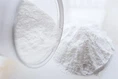
Hydrated silica is an amorphous, non-crystalline form of silicon dioxide (SiO₂·nH₂O). It is produced synthetically through a controlled precipitation process that reacts sodium silicate with mineral acid, followed by filtration, drying, and milling. The result is a fine, white, free-flowing powder with customizable particle size and porosity.
Unlike crystalline silica, hydrated silica is safe for human use because it lacks sharp, abrasive edges and does not cause respiratory health issues when properly handled. It is chemically inert, odorless, and tasteless-properties that make it ideal for personal care and oral hygiene applications.
Hydrated silica differs from precipitated silica primarily in moisture content, surface structure, and intended use. While precipitated silica is widely used as a reinforcing filler in rubber and industrial products, hydrated silica is specially designed for mild abrasiveness and polishing performance, making it perfectly suited for oral care formulations.
3. Functional Role of Hydrated Silica in Toothpaste
(a) Mild Abrasive for Cleaning
One of the most important functions of hydrated silica is its gentle abrasive action. The finely controlled particle size removes plaque, surface stains, and food debris from teeth without scratching enamel. This makes silica for toothpaste an essential ingredient for both whitening and everyday toothpaste products.
(b) Polishing Agent
Hydrated silica provides a polishing effect that leaves tooth surfaces smooth and shiny. Its spherical morphology minimizes micro-damage to enamel while enhancing gloss, giving users a cleaner, brighter feel after brushing.
(c) Thickening and Rheology Control
Hydrated silica acts as a thickener that maintains toothpaste viscosity and prevents phase separation. It helps achieve a stable, smooth texture and ensures consistent extrusion from the tube.
(d) Carrier for Active Ingredients
Due to its porous structure, hydrated silica can serve as a carrier for active substances such as fluoride, herbal extracts, or desensitizing agents. This ensures uniform dispersion throughout the toothpaste and consistent performance during brushing.
4. Advantages of Using Hydrated Silica in Oral Care Formulations
Safety and Biocompatibility
Hydrated silica is recognized as safe by regulatory authorities such as the FDA and the European Commission. It is non-toxic, non-irritating, and compatible with both fluoride and non-fluoride toothpaste systems.
Customizable Performance
Manufacturers can adjust the particle size, surface area, and hardness of hydrated silica to meet different cleaning or polishing needs. High-cleaning grades are used for whitening, while softer grades suit sensitive teeth care.
Improved Sensory Experience
Hydrated silica enhances the visual and tactile qualities of toothpaste by improving opacity and texture, resulting in a smooth, creamy paste that consumers associate with quality.
Formulation Compatibility
Hydrated silica blends easily with fluoride salts, humectants, flavor oils, and surfactants. It remains stable across various pH ranges and does not interfere with the effectiveness of other ingredients.
-
5. Types of Hydrated Silica for Toothpaste
- High Cleaning Silica: For whitening toothpaste with stronger stain-removal performance.
- Medium Abrasive Silica: Balanced cleaning and polishing for daily-use toothpaste.
- Soft Polishing Silica: Gentle abrasiveness for sensitive or children's products.
These types are differentiated by particle size, morphology, and surface characteristics, allowing formulators to tailor performance to target consumer needs.
6. Application Areas Beyond Toothpaste
-
While toothpaste is the dominant application, hydrated silica also appears in other oral care formulations:
Mouthwash and Oral Gels: Used as a stabilizer and mild thickening agent to control viscosity.
Toothpowders: Acts as the main cleaning and polishing agent, replacing traditional chalk-based abrasives.
Dental Polishing Pastes: Employed by dental professionals to remove stains and smooth tooth surfaces after cleaning or restorative procedures.
This versatility demonstrates hydrated silica's adaptability to diverse oral care formats, from consumer toothpaste to professional-grade products.
7. Quality and Selection Criteria for Hydrated Silica Suppliers
Selecting the right hydrated silica manufacturer is essential for product consistency and compliance. Consider factors such as:
- Consistent particle size control for predictable abrasivity.
- Purity standards and certifications (ISO, GMP, REACH).
- Technical support and formulation expertise.
- Commitment to sustainable and eco-friendly production practices.
FAQ
Q1:What is hydrated silica in toothpaste?
Hydrated silica is a synthetic, amorphous form of silicon dioxide used as a mild abrasive, thickener, and polishing agent in toothpaste formulations.
Q2:Is hydrated silica safe for oral care?
A: Yes. It is recognized as safe by regulatory agencies and is widely used in food-grade and cosmetic applications.
Q3: What's the difference between hydrated silica and precipitated silica?
A: Both are synthetic forms of silica, but hydrated silica typically has higher water content and is optimized for oral care applications, while precipitated silica is used mainly in industrial products like rubber or coatings.