


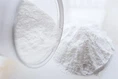
How to Import Precipitated Silica from China: Step-by-Step Guide
1. Introduction
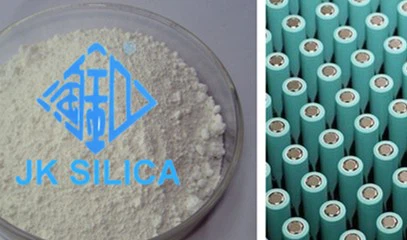
Precipitated silica is an essential industrial material widely used in rubber reinforcement, toothpaste, coatings, and food industries. As the global demand for silica continues to grow, many businesses are exploring how to import silica efficiently and reliably.
China is one of the largest producers and silica exporters worldwide - known for advanced technology, cost advantages, and a complete supply chain. Among the leading suppliers, JK SILICA stands out for its consistent product quality and professional export services.
This article provides a step-by-step guide on how to successfully import precipitated silica from China, from identifying suppliers to customs clearance and inspection.
2. Why Import Precipitated Silica from China?
China has become the preferred sourcing destination for precipitated silica due to several key advantages:
a. Advanced Production and Technology
Leading Chinese manufacturers like JK SILICA operate modern production facilities, ensuring stable quality, uniform particle size, and reliable performance across multiple applications.
b. Competitive Pricing
China's large-scale production capacity allows silica exporters to offer lower costs while maintaining international quality standards - a significant advantage for global buyers seeking cost efficiency.
c. Product Diversity
Chinese producers supply a wide range of precipitated silica grades - including rubber-grade, dental-grade, and food-grade products - suitable for various industrial uses.
d. Strong Export Experience
Companies such as JK SILICA have years of export experience, providing complete documentation, logistics coordination, and technical support to customers worldwide.
3. Step-by-Step Guide to Importing Silica from China
Step 1: Identify Reliable Silica Exporters
Finding the right supplier is the foundation of a successful import. Search on trusted B2B platforms like Alibaba, Made-in-China, or Global Sources, or contact well-established manufacturers directly.
When evaluating potential silica exporters:
Verify their business license, ISO, and REACH certifications.
Request sample materials to test performance and consistency.
Check their export history and customer references.
👉 Tip: Direct cooperation with manufacturers like JK SILICA ensures stable quality, transparent pricing, and technical communication.
Step 2: Verify Product Specifications
Before purchasing, confirm that the precipitated silica meets your product requirements. Key parameters include:
BET surface area (m²/g)
Oil absorption (ml/100g)
Particle size distribution
SiO₂ content and loss on ignition (LOI)
Common applications:
Rubber grade: Reinforcement for tires and industrial rubber.
Toothpaste grade: High purity and fine texture for safe oral care.
Coating grade: Improves matting and rheological properties.
JK SILICA provides detailed product data sheets and technical consultation to help customers select the most suitable grade.
Step 3: Negotiate Price and Trade Terms
Discuss the trade terms carefully with your chosen silica exporter.
Common terms include:
FOB (Free on Board): Buyer handles freight and insurance after shipment from port.
CIF (Cost, Insurance, Freight): Seller arranges shipping and insurance to destination port.
Clarify the following points:
Price per ton or kilogram
Minimum order quantity (MOQ)
Lead time and delivery schedule
Payment terms (T/T, L/C)
Additional costs (packaging, palletizing, inspection fees)
JK SILICA offers flexible trade options and transparent pricing to help clients control logistics costs.
Step 4: Arrange Shipping and Customs Clearance
After confirming your order, coordinate shipping and customs procedures efficiently.
a. Freight Forwarding
Work with an experienced freight forwarder or let JK SILICA's export team assist in organizing shipping schedules and documentation.
b. Required Documents
To import silica from China, you will need:
Commercial Invoice
Packing List
Certificate of Analysis (COA)
Material Safety Data Sheet (MSDS)
Bill of Lading
Certificate of Origin
c. Import Regulations
Ensure compliance with your country's import laws and standards such as:
REACH (EU)
FDA (US)
Customs Tariff Code (HS Code 281122)
Professional exporters like JK SILICA can provide all required certificates and assist in meeting international regulatory requirements.
Step 5: Receive and Inspect Goods
When your shipment arrives:
Check the condition of packaging and labeling.
Compare the COA and sample results with the delivered batch.
If possible, conduct third-party lab testing for quality verification.
Maintaining consistent inspection records ensures stable quality in long-term cooperation. JK SILICA also offers post-shipment support and product traceability for its customers.
4. Common Challenges and How to Avoid Them
Here are some of the most frequent challenges importers face - and practical ways to avoid them:
Challenge Prevention Tips
Delivery Delays Work with established exporters like JK SILICA that have reliable logistics partners and on-time delivery records.
Quality Variation Always confirm samples and request pre-shipment inspections.
Hidden Charges Get a detailed cost breakdown from your supplier before finalizing contracts.
Communication Gaps Maintain regular updates and written confirmations throughout the process.
Regulatory Issues Ensure your supplier provides all documents required for import compliance.
5. Tips for Finding the Best Silica Exporter in China
Here are some professional strategies to help you identify the most reliable silica exporter:
Attend international trade shows such as CHINAPLAS or Canton Fair to meet manufacturers like JK SILICA in person.
Review customer feedback and independent supplier ratings online.
Evaluate the supplier's R&D capability and production capacity.
Choose exporters with specialized export departments and long-term international customers.
Building a partnership with a trustworthy silica supplier such as JK SILICA can help your business achieve stable supply, consistent quality, and cost competitiveness.