


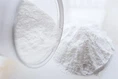
What Percentage Silica is in Food?
Silica, or silicon dioxide, is a common mineral found in the earth's crust. It is also present in many foods and beverages that we consume on a daily basis. Silica has numerous applications in the food industry, where it is used as an anti-caking agent, a thickener, and a carrier for flavors and colors.
According to several sources, the percentage of silica in the food industry varies widely depending on the product and its intended use. Silica is found in various forms, including crystalline silica (quartz), amorphous silica, and colloidal silica, each with different properties and functions.

Some foods that contain silica in the form of amorphous silica include rice, oats, soybeans, potatoes, bananas, and some fruits and vegetables. Crystalline silica can be found in some grains, such as wheat and barley, as well as in nuts, seeds, and some meats. Colloidal silica is commonly used as a carrier for flavors and colors in beverages and other food products.
While there is no definitive figure on the percentage of silica used in the food industry, it is estimated that silica contributes to less than 1% of the total ingredients in processed foods. However, it is important to note that excessive intake of silica can lead to health problems, such as silicosis, a lung disease caused by inhalation of crystalline silica particles.
In summary, silica is a common mineral found in many foods and beverages, and its use in the food industry is widespread. However, the percentage of silica used in processed foods is relatively low and does not pose a significant health risk when consumed in moderation.