


What is the Use of Silica in Dentistry?
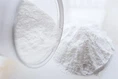
Silica, also known as silicon dioxide, is a common mineral found in nature. It is used in many industries, including dentistry. Silica has many uses in the dental industry due to its various properties.
One of the main uses of silica in dentistry is as an abrasive agent in toothpaste and cleansers. Silica is an effective abrasive because it is hard and has sharp edges that can remove stains and plaque from teeth. It is also used as an abrasive in prophy pastes to polish teeth during dental cleanings.

Silica is also used in dental materials as a filler or reinforcement agent. This includes composite resins, glass ionomer cements, and dental ceramics. Silica helps to improve the strength and wear resistance of these materials, as well as their handling properties and aesthetics.
Another use of silica in dentistry is in the production of dental implants. Silica is used as a surface treatment to increase the biocompatibility of the implant and to improve its bonding with surrounding bone tissue. It is also used as a coating in implant abutments to improve their wear resistance and reduce the risk of bacterial colonization.

Silica is also used in the production of dental prostheses, such as dentures and partials. It is used as a filler in denture base materials to improve their strength and durability. Silica is also used in the production of denture teeth to improve their aesthetics and wear resistance.
Overall, silica plays an important role in dentistry due to its unique properties and usefulness in many aspects of dental treatment. Whether it is used as an abrasive, filler, reinforcement agent or surface treatment, silica helps to improve the effectiveness and longevity of dental treatments.