


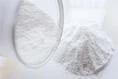
What is the PH Value of Precipitated Silica?
Precipitated silica, also known as amorphous silica, is a form of silica that is produced through the precipitation of silicic acid. It has a number of industrial applications, including use in the manufacture of tires, toothpaste, and food additives. The pH of precipitated silica can vary depending on the specific source and the manufacturing process used.
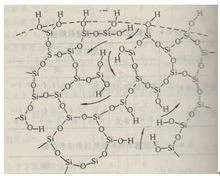
In general, the pH of precipitated silica ranges from around 5 to 8. This is slightly acidic to slightly basic and is generally considered to be within the range of a neutral pH. The exact pH of a sample of precipitated silica will depend on a number of factors, including the concentration of silicic acid in the solution, the temperature and pressure during the precipitation process, and the presence of other chemicals or contaminants in the solution.
Despite its variable pH, precipitated silica is generally considered to be a very safe material to handle and use. It is non-toxic and non-reactive, making it suitable for use in a wide variety of industrial and consumer applications. However, it is always important to handle silica and other chemicals with care and to consult with a qualified professional before using them in any specific application.
In conclusion, the pH of precipitated silica can vary depending on a number of factors, but is generally within the range of a neutral pH of around 5 to 8. This material is widely used in numerous industrial and consumer applications due to its non-toxic and non-reactive properties.