


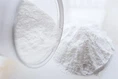
What are the applications of silica as a feed additive?
In feed production and animal husbandry, silica plays a multifaceted role and has a wide range of applications.
Applications in feed processing
1. Preventing feed caking
During storage and transportation, feed is prone to caking due to factors such as humidity and pressure. Silica has excellent adsorption properties, absorbing moisture from the surface of feed particles and keeping the feed dry. When added to feed, it is evenly distributed between feed particles, preventing them from sticking together due to moisture, thus effectively preventing feed caking. This ensures the feed maintains its bulk and fluidity during storage and transportation, ensuring stable feed quality and facilitating subsequent feeding operations.
2. Improving feed flowability
Smooth feed flow on the production line is crucial for efficient production. Silica reduces friction between feed particles, making them easier to slide. During feed processing steps such as mixing and pelleting, good flowability helps ensure uniform mixing of various ingredients and avoids excessive or insufficient concentrations of certain ingredients. During the pelleting process, feed with good flowability passes through the die more smoothly, improving pelleting efficiency and pellet quality, and producing pellets of uniform size and good appearance.

Applications in Aquatic Feed
1. Improving Feed Stability
Aquatic feeds need to maintain stability in water for a certain period of time to prevent rapid loss of nutrients. Silica can be added to aquatic feeds as an anti-caking agent and dispersant. It slowly dissolves the feed in water, preventing the pellets from disintegrating rapidly, ensuring sufficient time for the feed to be ingested by aquatic animals. It also helps maintain the shape and structure of the pellets, reducing feed loss in water, improving feed utilization, lowering breeding costs, and reducing water pollution.
2. Enhancing Nutrient Absorption by Aquatic Animals
Aquatic animals have relatively specialized digestive systems. Silica in aquatic feeds can help adjust the physical properties of the feed. An appropriate amount of silica can improve the texture of the feed, making it easier for aquatic animals to ingest and digest. It also promotes the movement of feed within the intestines of aquatic animals, increasing the contact area between nutrients and the intestinal wall, thereby improving the efficiency of aquatic animals' absorption of nutrients in feed and supporting their growth and development.
Applications in Livestock and Poultry Feed
1. Preventing Digestive System Diseases in Livestock and Poultry
Livestock and poultry may ingest impurities or tiny foreign objects while feeding. Silica has a certain adsorption capacity, which can absorb harmful impurities and mycotoxins in feed. In the digestive system of livestock and poultry, it can reduce the irritation and damage caused by these harmful substances to the intestinal mucosa, thereby reducing the risk of digestive system diseases. For example, some livestock and poultry feeds based primarily on grains may contain mold contamination. Adding silica can effectively absorb mycotoxins and protect the health of livestock and poultry.
2. Improving the Quality of Livestock and Poultry Products
The addition of silica to livestock and poultry feed also has a positive impact on the quality of livestock and poultry products. Adding an appropriate amount of silica to laying hen feed can help improve the hardness and smoothness of eggshells. This is because silica participates in the eggshell formation process, making the eggshell structure denser, reducing breakage, and increasing the commercial value of eggs. Adding silica to broiler feed improves the texture of the chicken, making it more delicate and palatable, and increasing consumer acceptance of livestock and poultry products.
Applications in Ruminant Feed
1. Promoting Rumen Function in Ruminants
The rumen of ruminants houses a complex microbial community, and proper rumen function is crucial for digestion and nutrient absorption. Silica regulates the rumen environment, helping to maintain the activity and stability of rumen microbes. It also improves the physical state of feed in the rumen, enabling better microbial decomposition and fermentation. For example, adding silica to roughage can increase its digestibility in the rumen, promote the utilization of nutrients such as fiber, and provide more energy for ruminants.
2. Preventing Stone Disease in Ruminants
Ruminants are prone to stone formation if they consume excessive amounts of minerals and other ingredients during feeding. Silica binds to some potentially stone-forming minerals, reducing their concentration in the ruminant's body and thus reducing the risk of stone formation. It works within the ruminant's urinary system, keeping minerals in urine dissolved and preventing them from crystallizing and forming stones, thereby safeguarding the health of the ruminant's urinary system.
In summary, the feed additive silica plays an indispensable role in feed processing and feed application in various farming sectors, including aquaculture, livestock, poultry, and ruminants. It provides strong support for ensuring feed quality, promoting healthy animal growth, and improving farming efficiency.
Contact Us
Tel: +86-592-5528715
Fax: +86-592-5528716
Email: jk@jksilica.com
Add: Gaosha Industrial Zone, Sha County, Sanming, Fujian, China