


Silicon Dioxide(SiO2) Used in Coatings
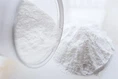
Silica is an amorphous white powder, the surface is unsaturated residues and different bonding state of the hydroxyl group, the molecular state of three-dimensional chain structure. In general, the interaction between the hydrogen bonds of the aggregated nanoparticles on the surface of the nanoparticles is not strong and can be easily separated by the shear force. However, these hydrogen bonds rapidly recover after the external shear force is removed, allowing their structure to rapidly recombine. This relies on the role of time and external force to restore the original shear weakening response, known as "thixotropic." Thixotropy is the main factor that silica improves the performance of traditional coatings. In the construction of interior and exterior coatings, adding silica, can significantly improve the coating of the opening effect, the coating is not hierarchical, with thixotropic, anti-sagging, construction performance is good, especially greatly improved stain resistance, with excellent Self-cleaning properties and adhesion, it has been reported scrub resistance of more than 10,000 times. In vehicle and marine coatings, the addition of silica is a key step in improving the finish and anti-aging properties of the coatings. When the coating is dry, the silica can rapidly form a network structure that doubles its resistance to aging, finish and strength improve. The spectrophotometer test showed that silica has a very strong UV absorption and infrared reflection characteristics, which absorb more than 70% of ultraviolet light within a wavelength of 400 nm and more than 70% of an infrared light with a wavelength of 400 nm. Adding silica to the coating, the coating can form a shielding effect, to achieve the purpose of anti-UV aging and heat aging, while increasing the insulation of the coating. Experiments show that silica weakens the intensity of UV radiation absorbed by UV curable coatings, thus reducing the curing speed of the UV curable coatings, but can obviously improve the hardness and adhesion of the UV curable coatings.