


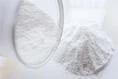
Silica in Glass Beads – Enhancing Quality and Performance
Silica, also known as silicon dioxide, is a vital component of glass beads. It plays a crucial role in enhancing the quality and performance of the beads. Silica is present in high concentrations in glass beads and serves several purposes such as:
1. Improving the Refractive Index
Glass beads are known for their reflective properties. The addition of silica to the beads enhances their ability to reflect light, making them more visible. Silica’s high refractive index ensures that light is reflected in a particular direction, increasing the visibility of the beads.
2. Providing Stability
Silica increases the stability of glass beads by making them resistant to damage from factors such as rust, corrosion, and weathering. The inclusion of silica in the glass bead production process enhances their durability, making them ideal for long-term use in various applications.
3. Enhancing the Clarity
Silica is known for its clarity and translucence, making it an excellent ingredient for glass production. Its inherent clarity allows manufacturers to produce clear, high-quality glass beads that are perfect for use in optical devices and other applications that require high levels of clarity.
4. Improving the Chemical Resistance
Silica’s chemical properties make it an ideal ingredient for producing glass beads that are resistant to chemical reactions from environmental factors such as saltwater and other corrosive agents. The addition of silica to glass bead formulations helps protect them from the harmful effects of exposure to such elements.
In conclusion, silica plays a critical role in the production of glass beads. Its inclusion in bead formulations greatly enhances their quality and performance. Silica’s ability to improve the refractive index, provide stability, enhance clarity, and improve chemical resistance, ensures that glass beads remain the go-to product for various applications.