


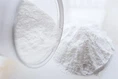
Silica as Abrasive for Toothpaste
Silicon dioxide plays an important role as a friction agent in toothpaste. Friction agents, including silicon dioxide, calcium carbonate, calcium phosphate, insoluble pyrophosphate, and dicalcium phosphate, account for 20% to 60% of the toothpaste content. They work by enhancing the friction during brushing to assist in cleaning and polishing the teeth, removing soft plaque, bacterial stains, and some pigmentation.
Silicon dioxide has good chemical stability and does not react with other substances, except for strong alkalis. It is compatible and complementary with other ingredients in toothpaste, resulting in a stable and smooth texture. The crystalline form of silicon dioxide is mostly spherical honeycomb particles with small voids. When the particles come into contact with the teeth, they disperse, leading to an increase in the contact area with the tooth surface, resulting in excellent cleaning effects. The friction value can be adjusted within a certain range, making the toothpaste suitable for cleaning the teeth without damaging the enamel.
Silicon dioxide's refractive index can also be adjusted within a certain range, making it perfect for making transparent toothpaste. It is highly compatible with fluoride and maintains a high level of effective fluoride in toothpaste. Additionally, its oil absorption value can be adjusted within a wide range, making it not only suitable as a friction agent but also as a thickener. It is of high purity and has fewer harmful impurities, making it safe to use in toothpaste.
In conclusion, silicon dioxide is an essential component of toothpaste as a friction agent. When used correctly, it enhances the cleaning and polishing effects of toothpaste and is safe and efficient.