


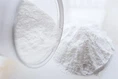
Precipitated Silicon Dioxide in Paint Industry
In the paint industry, precipitation of silica dioxide is a common method used to improve the quality of paint. This method involves adding a solution of sodium silicate to an acidic solution of hydrochloric acid, resulting in the formation of a white precipitate of silica dioxide.

One of the key advantages of using precipitation of silica dioxide in paint production is its ability to improve the quality and consistency of the paint. Silica dioxide is known for its excellent thixotropic properties, which means that it can provide viscosity control and prevent settling and separation of the paint particles. This enables the paint to be applied smoothly and evenly, resulting in a higher quality finish.
In addition, silica dioxide is also known for its reinforcing properties, making it an ideal additive for paint production. By enhancing the strength and durability of the paint, it can improve its ability to withstand harsh environmental conditions and resist wear and tear over time.
Another benefit of using precipitation of silica dioxide in the paint industry is its low cost and availability. Silica dioxide is a naturally occurring material that is widely available, making it easy and cost-effective to integrate into paint production processes.
Overall, precipitation of silica dioxide is an effective method used in the paint industry to improve the quality, consistency, and durability of paint. Its thixotropic and reinforcing properties make it a valuable additive, while its low cost and ready availability make it an attractive option for paint manufacturers.