


Precipitated Silica vs Hydrated Silica: What's the Difference?
1. Introduction
Silica, also known as silicon dioxide (SiO₂), plays a crucial role across industries such as rubber, coatings, toothpaste, and cosmetics. Among its many forms, two stand out for their wide use and frequent confusion - precipitated silica and hydrated silica.
Though they share a similar chemical composition, they differ in structure, production, and performance. This article explores precipitated silica vs hydrated silica in detail, helping you select the ideal type for your industrial or consumer products.
2. What Is Precipitated Silica?
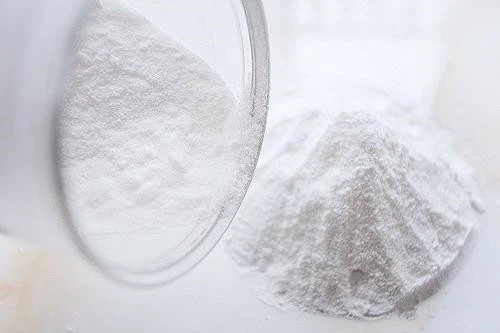
Precipitated silica is a synthetic, amorphous form of silicon dioxide produced through the reaction of sodium silicate (water glass) with sulfuric acid under controlled conditions. The resulting white, fine powder consists of porous particles with high surface area and absorption properties.
Key Properties
- High surface area and porosity
- Excellent reinforcing and thickening ability
- High oil absorption value
- Chemically inert and non-toxic
- Adjustable particle size and morphology
Typical Applications
- Rubber and tire industry: reinforcement to improve traction and wear resistance
- Coatings and adhesives: used as matting and anti-settling agents
- Toothpaste: acts as a mild abrasive and thickener
- Food and feed: serves as an anti-caking agent
3. What Is Hydrated Silica?
Hydrated silica is another amorphous form of SiO₂ that contains chemically bound water. It is often produced by hydrating silica gel or through controlled precipitation processes. Hydrated silica is known for its purity, softness, and controlled abrasiveness, making it ideal for oral and personal care.
Key Properties
- Contains bound water molecules (SiO₂·nH₂O)
- Smoother particle surface and mild abrasiveness
- High transparency and purity
- Excellent biocompatibility
Typical Applications
- Toothpaste: gentle polishing and whitening without damaging enamel
- Cosmetics and skincare: used as a soft exfoliant or thickening agent
- Pharmaceuticals and food: functions as a carrier or flow aid
4. Precipitated Silica vs Hydrated Silica: Key Differences
The following table highlights the main differences between precipitated silica vs hydrated silica in structure, properties, and application.
| Aspect | Precipitated Silica | Hydrated Silica |
|---|---|---|
| Chemical Composition | SiO₂ (anhydrous, low moisture) | SiO₂·nH₂O (contains bound water) |
| Production Process | Reaction between sodium silicate and acid | Hydration or controlled precipitation from silica gel |
| Particle Morphology | Porous, irregular, high surface area | Smooth, rounded, uniform particles |
| Abrasiveness | Moderate to high | Soft and controlled |
| Transparency | Opaque | Transparent or translucent |
| Main Applications | Tires, rubber, coatings, industrial uses | Toothpaste, cosmetics, food, pharmaceuticals |
In short, precipitated silica offers high mechanical strength for industrial applications, while hydrated silica provides gentle performance suitable for consumer products.
5. How to Choose Between Precipitated and Hydrated Silica
Choosing the right silica depends on your product goals and industry:
- Industrial Use: Select precipitated silica for reinforcement, viscosity control, or matting performance.
- Personal Care: Use hydrated silica for mild abrasiveness, clarity, and softness.
- Cost Efficiency: Precipitated silica is more affordable for large-scale production.
- Regulatory Compliance: Hydrated silica is FDA and REACH compliant for oral and cosmetic applications.
6. Why Understanding the Difference Matters
Recognizing the distinction between precipitated silica vs hydrated silica helps optimize performance, reduce costs, and ensure product consistency.
Example 1: Toothpaste Formulation
Hydrated silica removes stains gently while maintaining enamel integrity.
Example 2: Tire Manufacturing
Precipitated silica improves traction, durability, and energy efficiency.
7. Partnering with a Reliable Silica Supplier
Working with a professional silica manufacturer ensures consistent quality, customization, and compliance. A trusted supplier provides technical documentation, sample testing, and global logistics support.
8.FAQ
Q1: Are precipitated silica and hydrated silica the same?
No, they differ in bound water content, structure, and abrasiveness.
Q2: Which silica is best for toothpaste?
Hydrated silica, due to its soft, controlled abrasiveness.
Q3: Can hydrated silica replace precipitated silica in tires?
No, it lacks the reinforcement properties required for rubber applications.