


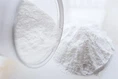
What is the key functions of silica in Paint?
1. Hardness and Texture
Precipitated silica in paint can increase the hardness and improve the texture of the coating. The silica particles fill the tiny gaps in the paint, making the coating denser. This not only increases the hardness of the coating but also prevents problems such as whitening and cracking.
Furthermore, the presence of silica gel makes the coating surface smoother, making it less susceptible to quality issues such as wet drag and fisheyes. The silica gel's skeleton structure also enhances the coating's free flow and adhesion, making it stronger and more stable.

2. Durability and Stability
Adding an appropriate amount of precipitated silica to paint can improve the coating's durability and stability. The high-temperature and aging resistance of silica gel makes the coating less susceptible to moisture, deformation, and aging, thereby enhancing the coating's durability and lifespan.
Furthermore, the silica's tetrahedral structure can react with the metal substrate in the coating through electrochemical reactions, forming chemical bonds, thereby enhancing the coating's adhesion and corrosion resistance. Studies have shown that epoxy resin coatings with an appropriate amount of silica have excellent corrosion resistance against acids, alkalis, salt water, and oils.
III. Adjusting Properties
During the coating manufacturing process, by adjusting the silica precipitation conditions and adding an appropriate amount of surface treatment agent, the coating's properties can be adjusted to improve its overall performance. For example, adjusting the silica particle size can affect the coating's thickness and air permeability; varying the silica's specific surface area and surface charge density can influence the coating's viscosity, flowability, and anti-adhesive properties.
Additionally, blends of silica and organic polymers can form composite materials with specialized properties, such as wear resistance, water resistance, and corrosion resistance. The flexibility of these adjustment methods allows coatings to be optimized for different application requirements, enhancing their overall performance.
[Conclusion]
Adding precipitated silica to coatings can improve the coating's hardness, texture, durability, and stability, while also optimizing its application performance by adjusting its properties. However, the end-effects of silica in coatings and the factors influencing them require further exploration and research.
Contact Us
Tel: +86-592-5528715
Fax: +86-592-5528716
Email: jk@jksilica.com
Add: Gaosha Industrial Zone, Sha County, Sanming, Fujian, China