


What Is Precipitated Silica?
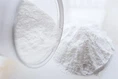
Precipitated silica commonly known as silica, also known as hydrated silicic acid, light silica, chemical expression is generally written as mSiO2 · nH2O, the appearance of white highly dispersed amorphous powder, also processed into granular as a commodity. Specific gravity of 2.319 ~ 2.653, the melting point of 1750 ℃. Do not dissolve in water and the vast majority of acids, in the air after the absorption of water will become the accumulation of fine particles. Soluble in caustic soda and hydrofluoric acid. Other chemicals stable, high temperature does not decompose, do not burn. Has a high electrical insulation, porous, large surface area, a water absorption, non-toxic.
Why Is It in Food and Supplements?
Silica is a naturally occurring mineral that contains many minerals in the market for many vitamin supplements. Typically, silica is used as an anti-caking agent, which helps to restore joints and cartilage damage, such as arthritis, when ingested with a normal balanced diet. In addition, it is also beneficial to the health of the blood vessel wall. As with excessive consumption of vitamins, excessive intake of silica can also cause side effects. However, as an anti-caking agent, the amount of silica used is very small. Thus, the silica as an anti-caking agent does not cause side effects
What the Research Says
The fact that it’s found in plants and drinking water, suggests it is safe. But in addition, research has shown that the silica we consume doesn’t accumulate in our bodies; rather, it’s flushed out by the kidneys.
While many of the studies on silica have been done on animals, they have found no link between silicon dioxide and increased risk of cancer, organ damage, or mortality. In addition, studies have found no evidence that silicon dioxide can affect reproductive health, birth weight, or body weight.
Finally, the Food and Drug Administration (FDA) has recognized silicon dioxide as a safe food additive, as do the World Health Organization (WHO) and the European Food Safety Authority (EFSA).
According to a paper prepared in association with WHO, the only negative health effects related to silicon dioxide have been caused by silicon deficiency. In other words, a lack of silicon dioxide may do more harm than too much.
The Takeaway
Silicon dioxide exists naturally within the earth and our bodies. There is no evidence to suggest it is dangerous.