


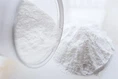
Is food grade silica safe?
Is silica safe to consume? The FDA believes that as long as consumed in small amounts, silica in food is usually safe for humans.
Is silicon dioxide a carcinogen? There is currently no evidence to suggest that the use of silica in food can cause cancer formation. The Environmental Protection Agency also stated that amorphous silica poses the "minimum risk" to humans.
Although rare, the side effects of silica do exist, including allergic reactions and digestive problems. Especially the nanoparticles found in food, in addition to compounds such as silver, titanium dioxide, iron oxide, and zinc oxide, may also cause gastrointestinal problems such as intestinal leakage syndrome and may cause cell damage. Due to our limited understanding of the long-term effects of consuming nanoparticles, further research is needed.

Another noteworthy difference is that the type of silica in food is different from crystalline silica. Crystalline silica is a component of soil, sand, granite, and other minerals, and long-term exposure may pose a danger to the respiratory system. Therefore, people who come into close contact with this compound need to be particularly careful to prevent side effects.
The most susceptible to side effects from exposure to crystalline silica are those working in industries such as mining, steel, construction, and sandblasting.
Is there any benefit?
Are there any known benefits of obtaining silica from food? Overall, when consumed as a food additive, its benefits to the human body seem limited, except for improving the texture and shelf life of the food. This may be because the silica in the form of food additives limits intestinal absorption. However, providing products with more concentrated silica, such as diatomaceous earth, may indeed have some benefits. Some studies also suggest that silicon is an essential mineral for the human body, helping to strengthen bones, hair, nails, and teeth, and may have anti-aging effects, preventing symptoms related to silicon deficiency.
A study in the International Journal of Endocrinology shows that silicon plays an important role in supporting bone construction and protecting bones, while also participating in the formation of collagen. Research also shows that silicon can improve bone density and flexibility, and has a protective effect on teeth.
So, how much silicon is safe? Experts point out that natural silicon can be obtained by consuming healthy plant-based foods and herbs such as whole grains, green leafy vegetables, mung beans, melons, etc. In addition, certain herbs such as nettle leaves, horsetail grass, oat straw, and rosehip are also rich in silicon and can be consumed as supplements and tea. There is evidence to suggest that consuming about 40 milligrams of silicon per day from the diet may be associated with stronger bones.
It is worth noting that the FDA regulations stipulate that the amount of silica added to food cannot exceed 2% of the total weight of the food. The expert group on vitamins and minerals has set the safe daily intake of silicon at 12 milligrams per kilogram of body weight per day (for an adult weighing 60 kilograms). Although consuming more silica than usual is not necessarily dangerous, there is currently a lack of sufficient research to demonstrate specific safe intake levels.
In addition, in most cases, the silica in food is vegan, as it is usually artificially synthesized in the laboratory. It is most commonly used as an anti caking agent to maintain the free flow of powdered food and prevent moisture absorption. You can find this food additive in foods such as baking powder, protein powder, sugar, salt, and spices.
Contact Us
Tel: +86-592-5528715
Fax: +86-592-5528716
Email: jk@jksilica.com
Add: Gaosha Industrial Zone, Sha County, Sanming, Fujian, China