


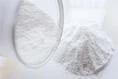
Different Prepared Method of Silica
Silicon dioxide (SiO2), commonly known as silica, is an essential compound in various industries, including electronics, construction, and healthcare. Due to its versatile properties, SiO2 has a wide range of applications. SiO2 is commonly prepared by three methods: gas phase method, gel method, and precipitation method. In this article, we will discuss the comparison of these three methods based on the manufacturing process, raw materials, key technical parameters, cost factors, and pricing.
Gas phase method SiO2, also known as the vapor phase method, is a simple route for synthesizing silica. It involves the hydrolysis of silicon tetrachloride (SiCl4) to SiO2 in the presence of water vapor. This is a vapor-phase reaction, and the process is often carried out in a flame hydrolysis process, plasma-enhanced chemical vapor deposition, or laser ablation. The obtained SiO2 is of high purity and uniformity, making it suitable for high-tech applications. However, the method is expensive due to the use of high-purity raw materials and sophisticated instruments.
Gel method SiO2 is a well-established method for preparing silica. In this method, SiO2 is obtained from the hydrolysis of silicon alkoxides, such as tetraethoxysilane (TEOS). The process involves the hydrolysis and polycondensation of TEOS in water or alcohol, leading to the formation of a sol or gel. The sol can be dried to produce powders, while the gel is processed further to produce silica-based materials. The gel method offers excellent control over the particle size, shape, and surface area of the resulting SiO2. The method is also cost-effective due to the availability of cheaper raw materials.
Precipitation method SiO2 is another commonly used method for synthesizing silica. This method involves the precipitation of SiO2 from an aqueous solution containing a silicon salt (e.g., sodium silicate) under basic conditions. The SiO2 will form as a precipitate, which is then collected and dried. The method offers a low-cost and easily scalable route for producing SiO2. The resulting SiO2 has relatively low surface area, and it is suitable for applications that require bulk materials with moderate purity.
Overall, all three methods have their unique advantages and limitations. The choice of method depends on the required purity, particle size, cost, and scale of production. For high-tech applications, gas phase method SiO2 may be preferable despite its high cost, whereas gel method SiO2 is a cost-effective route for producing SiO2 for general applications. Precipitation method SiO2 is a scalable method that can produce large quantities of SiO2 with moderate purity at a low cost. Despite their differences, all three methods contribute to the diversity of SiO2 manufacturing, enabling us to utilize this versatile compound in various industries at affordable costs.
Contact Us
Tel: +86-592-5528715
Fax: +86-592-5528716
Email: jk@jksilica.com
Add: Gaosha Industrial Zone, Shaxian, Fujian, China