


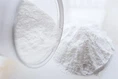
Seven Competitive Advantages of Precipitated Silica for Paint Applications
Significant Cost Advantage
Compared to vapor-phase products, the precipitation method offers a simple process and readily available raw materials, resulting in a 30–50% reduction in cost per ton, resulting in an outstanding cost-effectiveness ratio.
Customizable Particle Size/Pore Size
By adjusting the precipitation and post-treatment processes, the D50 can be precisely controlled between 5–10 μm to meet varying gloss and film thickness requirements.

The latest organic acid surface modification technology enables rapid dispersion of precipitated silica in both oil-based polyester and water-based acrylic systems, eliminating the need for high-shear equipment.
Compatible with both water-based and oil-based systems
Hydrophilic or hydrophobic modified grades are suitable for both water-based environmentally friendly coatings and high-solids solvent-based coatings, enabling seamless formulation switching.
Excellent Storage Stability
After 30 days of accelerated testing at 50°C, the system showed no hard precipitate or skinning, and the can opening experience was identical to that of a new slurry.
Environmentally Friendly
No VOC emissions, and the by-product sodium sulfate can be recycled, complying with REACH and the national "Dual Carbon" policy. Stable supply and localized service
Multiple domestic 10,000-ton capacity plants are in mass production, offering short lead times and rapid technical service response, eliminating the need for import substitution.
Recommended Typical Applications
Furniture matte paint: Add 2.5–4% for a smooth, one-step finish with a gloss of ≤10°.
Industrial anti-corrosion paint: Add 1–2% to prevent settling and improve salt spray resistance.
Water-based interior and exterior wall paint: Add 0.5–1% for excellent can opening performance and spray-free roller application.
Contact Us
Tel: +86-592-5528715
Fax: +86-592-5528716
Email: jk@jksilica.com
Add: Gaosha Industrial Zone, Sha County, Sanming, Fujian, China