


Silicon dioxide, commonly known as silica (SiO₂), is one of the most abundant and versatile compounds on Earth. As a leading supplier of SiO₂, I am excited to delve into the fascinating physical properties of this remarkable substance and explore its wide range of applications.
1. Crystal Structure
SiO₂ exists in several crystalline forms, with quartz being the most common and well - known. In quartz, each silicon atom is tetrahedrally bonded to four oxygen atoms, and each oxygen atom is shared between two silicon atoms. This three - dimensional network structure gives quartz its characteristic hardness and stability. Other crystalline forms of SiO₂ include tridymite and cristobalite, which have different arrangements of the silicon - oxygen tetrahedra and are stable at different temperature and pressure conditions.
The crystal structure of SiO₂ has a profound impact on its physical properties. For example, the strong covalent bonds within the silicon - oxygen tetrahedra make quartz highly resistant to chemical attack and mechanical wear. This is why quartz is widely used in applications where durability is essential, such as in the manufacturing of glass, ceramics, and abrasive materials.
2. Hardness
On the Mohs scale of mineral hardness, quartz has a hardness of 7. This means that it can scratch most other common minerals, except for those with a higher hardness rating such as topaz (hardness 8) and diamond (hardness 10). The high hardness of SiO₂ is due to the strong covalent bonds between silicon and oxygen atoms in its crystal structure.
The hardness of SiO₂ makes it an ideal material for use in cutting tools, grinding wheels, and sandpaper. In the construction industry, quartz sand is often used as an aggregate in concrete, providing strength and durability to the final product. Additionally, the hardness of SiO₂ is also exploited in the jewelry industry, where quartz gemstones such as amethyst and citrine are highly valued for their beauty and durability.
3. Density
The density of SiO₂ varies depending on its crystal structure and degree of purity. For quartz, the density is approximately 2.65 g/cm³. The density of amorphous silica, which lacks a well - ordered crystal structure, is typically lower, around 2.2 g/cm³.
The density of SiO₂ is an important property in many applications. In the glass industry, for example, the density of silica affects the melting point and viscosity of the glass melt. Higher - density silica can result in a more viscous melt, which may require higher temperatures to process. In the production of ceramics, the density of SiO₂ can influence the porosity and strength of the final product.
4. Melting Point and Boiling Point
SiO₂ has a very high melting point, around 1713 °C for quartz. This is because of the strong covalent bonds in its crystal structure, which require a large amount of energy to break. The boiling point of SiO₂ is even higher, approximately 2230 °C.
The high melting and boiling points of SiO₂ make it suitable for use in high - temperature applications. For instance, silica crucibles are commonly used in laboratories and industrial settings to melt and hold molten metals at high temperatures. In the glass - making process, the high melting point of silica requires the use of furnaces capable of reaching very high temperatures to convert silica into a molten state for shaping.
5. Solubility
SiO₂ is insoluble in water and most common solvents under normal conditions. However, it can react with strong alkalis such as sodium hydroxide (NaOH) to form soluble silicates. The reaction is as follows:
SiO₂ + 2NaOH → Na₂SiO₃+ H₂O
This reaction is important in the production of sodium silicate, which has a wide range of applications, including in the manufacture of detergents, adhesives, and fire - resistant materials. The low solubility of SiO₂ in water also contributes to its stability in natural environments, where it can persist for long periods without being dissolved or leached away.
6. Optical Properties
SiO₂ has excellent optical properties, which make it widely used in the optical and telecommunications industries. Quartz is transparent to a wide range of wavelengths, from ultraviolet (UV) to infrared (IR). This transparency allows it to be used in the manufacture of lenses, prisms, and optical fibers.
In optical fibers, the low attenuation of light in SiO₂ - based materials enables the long - distance transmission of data with minimal loss. The high refractive index of SiO₂ can also be used to control the path of light in optical devices, such as in the design of lenses for cameras and microscopes.
7. Electrical Properties
SiO₂ is an insulator, meaning that it does not conduct electricity well. This is because the electrons in the silicon - oxygen bonds are tightly bound and not free to move. However, when impurities are introduced into the SiO₂ lattice, it can become a semiconductor.
In the semiconductor industry, silicon dioxide is used as a dielectric material in integrated circuits. It provides electrical insulation between different components of the circuit, preventing short - circuits and improving the performance and reliability of the device.

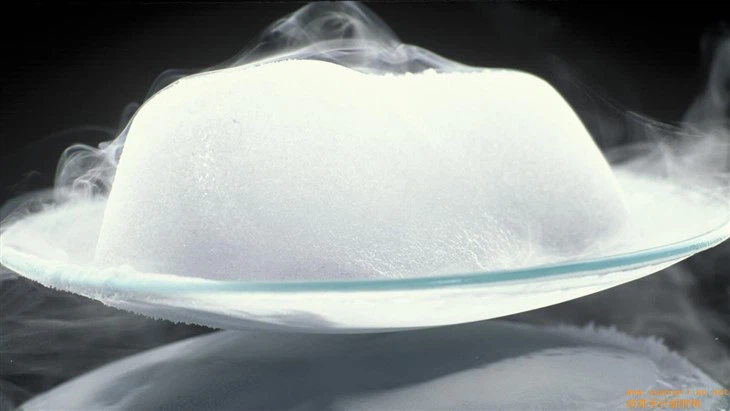
Applications of SiO₂ Based on Its Physical Properties
The unique physical properties of SiO₂ make it suitable for a wide range of applications. In the rubber industry, high - purity silicon dioxide is used as a reinforcing filler in silicone rubber. High Purity Silicon Dioxide For Silicone Rubber can improve the mechanical properties of the rubber, such as its tensile strength, tear resistance, and abrasion resistance.
Silica manufacturers play a crucial role in supplying high - quality SiO₂ for various industries. Silica Manufacturers, Silica For Silicone Rubber provide different grades of silica to meet the specific requirements of their customers.
In the food - grade silicone rubber products industry, PPT silica powder is used. PPT Silica Powder For Food Grade Silicone Rubber Products ensures the safety and quality of the final products, as it meets the strict regulatory standards for food contact materials.
Conclusion
As a supplier of SiO₂, I am well - aware of the importance of these physical properties in determining the suitability of SiO₂ for different applications. The unique combination of hardness, high melting point, low solubility, excellent optical and electrical properties makes SiO₂ an indispensable material in many industries.
If you are interested in purchasing high - quality SiO₂ products for your specific application, I encourage you to contact us for a detailed discussion. Our team of experts can provide you with the right advice and solutions to meet your needs. Whether you are in the rubber, glass, ceramics, or any other industry that requires SiO₂, we are committed to providing you with the best products and services.
References
- Deer, W. A., Howie, R. A., & Zussman, J. (1992). An Introduction to the Rock - Forming Minerals. Longman.
- Hu, Y., & Xiao, B. (2018). Silicon Dioxide Nanomaterials: Synthesis, Biocompatibility, and Applications. Chemical Reviews, 118(11), 5367 - 5415.
- Kingery, W. D., Bowen, H. K., & Uhlmann, D. R. (1976). Introduction to Ceramics. Wiley.