


When it comes to the storage of silica feed, as a reliable silica feed supplier, I've encountered numerous inquiries from customers about how long this product can be stored. Understanding the optimal storage duration is crucial for both suppliers and end - users, as it impacts product quality and cost - effectiveness.
Factors Affecting the Storage Duration of Silica Feed
1. Purity and Quality of Silica
The initial purity and quality of the silica feed play a significant role in determining its storage life. High - purity silica feed with fewer impurities is generally more stable and can be stored for a longer period. For instance, silica feed that has been carefully processed to remove contaminants like heavy metals or organic residues is less prone to chemical degradation. Our company takes great pride in providing high - quality silica feed, which is produced through advanced purification processes. This ensures that the product maintains its integrity over an extended storage period.
2. Packaging
Proper packaging is essential for preserving the quality of silica feed during storage. Silica is a hygroscopic material, meaning it can absorb moisture from the environment. If exposed to high - humidity conditions, the silica feed can clump together, reducing its flowability and potentially altering its chemical properties. We offer silica feed in sealed, moisture - resistant bags or containers. These packages are designed to prevent moisture ingress and protect the product from external contaminants. For long - term storage, it is recommended to keep the silica feed in its original packaging until it is ready to be used.
3. Storage Conditions
The environment where the silica feed is stored has a profound impact on its shelf life. Temperature, humidity, and exposure to light are the main environmental factors to consider.
- Temperature: Silica feed should be stored in a cool and stable environment. High temperatures can accelerate chemical reactions within the silica, leading to changes in its physical and chemical properties. Ideally, the storage temperature should be kept below 30°C. If the temperature fluctuates significantly, it can cause thermal stress on the silica particles, potentially leading to cracking or agglomeration.
- Humidity: As mentioned earlier, silica is hygroscopic. Therefore, the relative humidity in the storage area should be kept low, preferably below 60%. High humidity can cause the silica feed to absorb water, which may lead to the formation of lumps and a decrease in product quality.
- Exposure to Light: Although silica is generally not highly reactive to light, prolonged exposure to direct sunlight can cause some photochemical reactions in certain types of silica. It is advisable to store the silica feed in a dark or dimly lit area to minimize any potential light - induced degradation.
General Storage Duration
Under ideal storage conditions, which include proper packaging, a cool and dry environment (temperature below 30°C and relative humidity below 60%), and protection from light, silica feed can typically be stored for up to 2 - 3 years. However, this is a general estimate, and the actual storage duration may vary depending on the specific type of silica feed and the factors mentioned above.
For example, some highly pure and well - packaged silica feed products may remain in good condition for even longer periods, up to 5 years. On the other hand, if the storage conditions are sub - optimal, such as high humidity or fluctuating temperatures, the storage life can be significantly reduced to as short as 6 months to 1 year.
Monitoring the Quality of Stored Silica Feed
Regular quality monitoring is essential to ensure that the stored silica feed remains suitable for use. Simple visual inspections can be carried out periodically to check for signs of clumping, discoloration, or the presence of foreign objects. Additionally, more advanced analytical techniques, such as particle size analysis and chemical composition analysis, can be employed to assess the quality of the silica feed more accurately.
If any signs of degradation are detected during the inspection, it is advisable to consult with a technical expert or the supplier to determine whether the product is still usable. In some cases, minor degradation may not affect the performance of the silica feed significantly, while in other cases, it may render the product unsuitable for its intended application.
Applications and the Impact of Storage on Performance
Silica feed has a wide range of applications, including in rubber antioxidants, silicone rubber, and as silica microspheres.

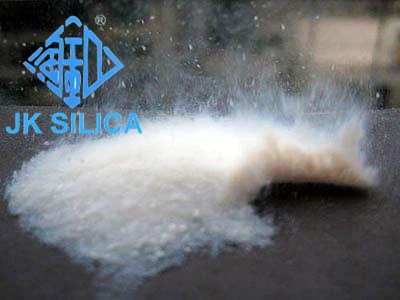
- Precipitated Silica in Rubber Antioxidants: In the rubber industry, silica is used as an antioxidant to improve the durability and performance of rubber products. If the silica feed has been stored for too long or under poor conditions, its antioxidant properties may be compromised. This can lead to reduced rubber quality, such as decreased tensile strength and increased susceptibility to oxidation.
- Food Grade Amorphous Silicone Dioxide For Silicone Rubber: In silicone rubber applications, especially those involving food - grade products, the quality of the silica feed is of utmost importance. Any degradation during storage can affect the safety and performance of the silicone rubber. For example, changes in the particle size or chemical composition of the silica may lead to uneven dispersion in the silicone rubber, resulting in inconsistent product quality.
- Silica Microspheres: Silica microspheres are used in various high - tech applications, such as in the production of optical fibers and microelectronics. The storage conditions and duration can significantly impact the properties of silica microspheres, such as their size uniformity and surface smoothness. Any deviation from the desired properties can affect the performance of the final products.
Conclusion and Call to Action
In conclusion, the storage duration of silica feed depends on multiple factors, including the initial quality, packaging, and storage conditions. By following the recommended storage guidelines, customers can ensure that the silica feed maintains its quality for an extended period.
As a leading silica feed supplier, we are committed to providing high - quality products and professional advice on storage and usage. If you have any questions about the storage of silica feed or are interested in purchasing our products, please feel free to contact us. We look forward to discussing your specific needs and providing you with the best solutions for your applications.
References
- Smith, J. (2020). Handbook of Silica Applications. Publisher X.
- Johnson, A. (2019). Storage and Quality Control of Industrial Minerals. Journal of Mineral Science, 15(2), 45 - 56.